
The Temple
Vaidyanath (Baidyanath) Temple in Deoghar, Jharkhand, is widely accepted as the ninth Jyotirlinga. The name "Vaidyanath" means "Lord of Physicians" or "Divine Doctor" — Shiva as the supreme healer of all ailments. The Shravan month (July–August) sees millions of devotees making the famous "Sulphur Canal Walk" — carrying water from the Ganges in Sultanganj (over 100 km away) and walking barefoot to offer it to Vaidyanath. This is called the Kanwar Yatra and is one of the world's largest Hindu pilgrimages. A unique rule here: once the Ganga water container is picked up at Sultanganj, it must NOT touch the ground until it is poured on the Lingam.

The Sacred Story
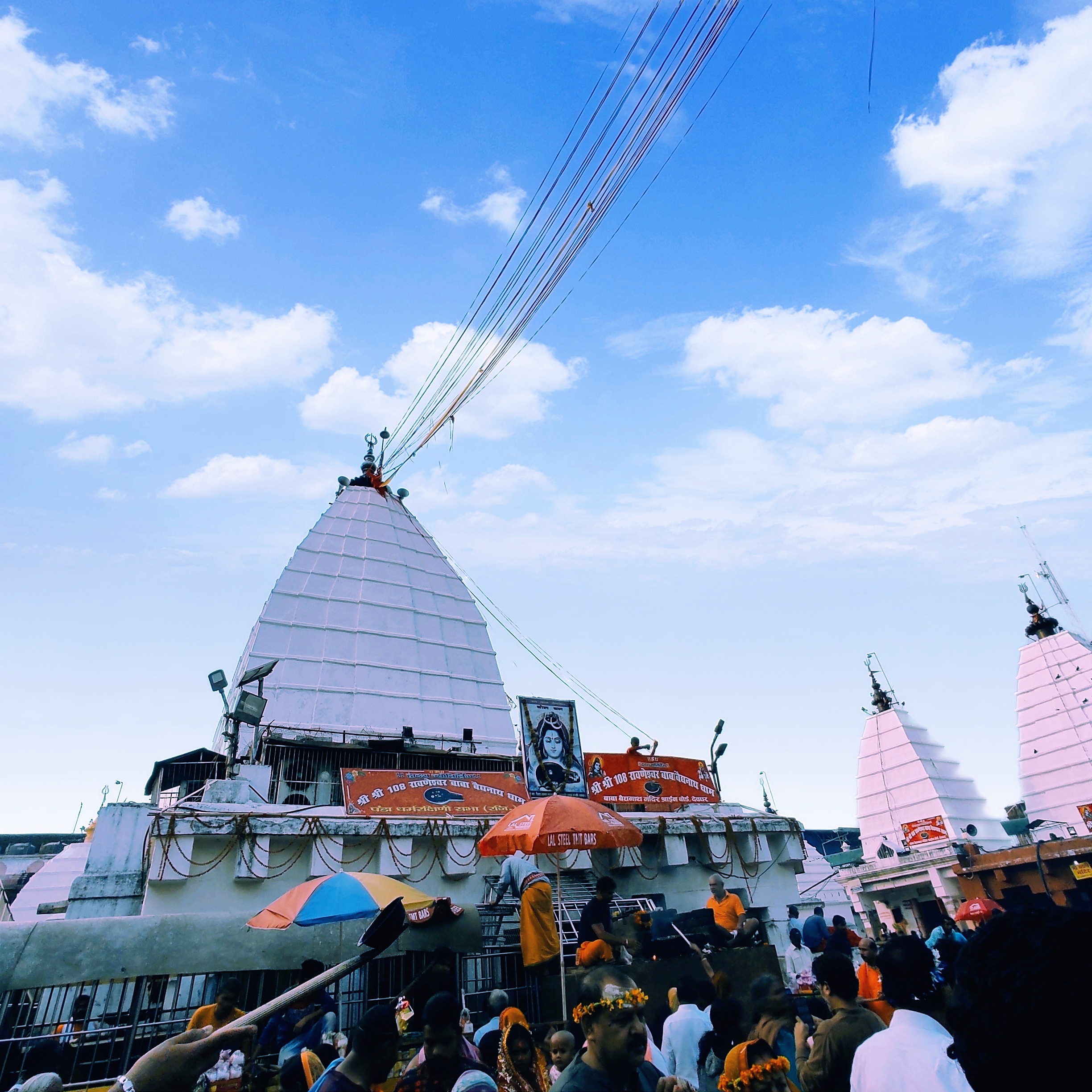
Where Ravana's ultimate devotion could not move the Divine Healer — the 9th Jyotirlinga of Deoghar
The Epic Legend of Baidyanath: The Demon King's Ultimate Sacrifice
Vaidyanath (Baidyanath) at Deoghar, Jharkhand is defined by Ravana's extreme devotion — offering his severed heads as sacrifice — which almost convinced Shiva to relocate to Lanka.
Part 1: Mythological Events (Ravana's Nine Heads)
1. Ravana's Nine Heads and the Divine Healer
The story of Vaidyanath Jyotirlinga (also known as Baidyanath) revolves around the demon king of Lanka, Ravana. A supreme devotee of Lord Shiva, Ravana desperately wanted to take his Lord to Lanka to make his kingdom invincible. To achieve this, he sat in the dense Deodar forests of Deoghar and performed unimaginably severe penance.
When Shiva did not appear, a desperate Ravana lit a sacrificial fire. One by one, he began cutting off his own ten heads and offering them into the flames. He had severed and offered nine heads. Just as his sword was raised to cut off his tenth and final head, Lord Shiva, deeply moved by this supreme sacrifice, manifested before him.
Shiva stopped Ravana and instantly reattached his nine severed heads. Because Lord Shiva acted as a physician (Vaidya) to heal Ravana's ghastly wounds, he came to be worshipped here as "Vaidyanath" — the immortal Lord of Physicians.
2. The Boon, the Trick, and Lord Ganesha
Shiva granted Ravana a boon. Ravana asked to take Shiva's "Kamna Lingam" (a Jyotirlinga) to Lanka. Shiva agreed but placed a strict condition: "You must carry this Lingam without ever placing it on the ground. If you set it down, it will become rooted there for eternity."
As Ravana flew homeward carrying the Lingam, the other gods panicked, knowing an invincible Lanka would spell doom for the universe. Lord Vishnu devised a clever illusion. He asked Varuna (the God of Water) to enter Ravana's stomach. Overwhelmed by an uncontrollable urge to relieve himself, Ravana landed on earth.
At that exact moment, Lord Ganesha appeared disguised as a young cowherd boy. Ravana urgently handed the Lingam to the boy, warning him not to put it down. However, feigning that the Lingam was too heavy, Ganesha quickly placed it firmly on the ground. When Ravana returned, he realized he had been tricked. Despite his colossal strength, he could not uproot the Lingam. In frustration, he pressed it hard with his thumb, leaving a permanent depression.
3. The Heart of the Goddess (Hridaya Peetha)
Adding to its immense spiritual power, the Baidyanath temple complex is not just a Jyotirlinga, but also one of the 51 sacred Shakti Peethas. According to legend, when Lord Shiva was wandering the universe carrying the burnt corpse of Goddess Sati, Lord Vishnu used his Sudarshana Chakra to dismember her body to calm Shiva's grief.
It is believed that the heart (Hridaya) of Goddess Sati fell exactly at this spot in Deoghar. Thus, this sacred ground is uniquely revered as both a Jyotirlinga and a Shakti Peetha—a powerhouse of divine masculine and feminine energies.
Timeless Architecture
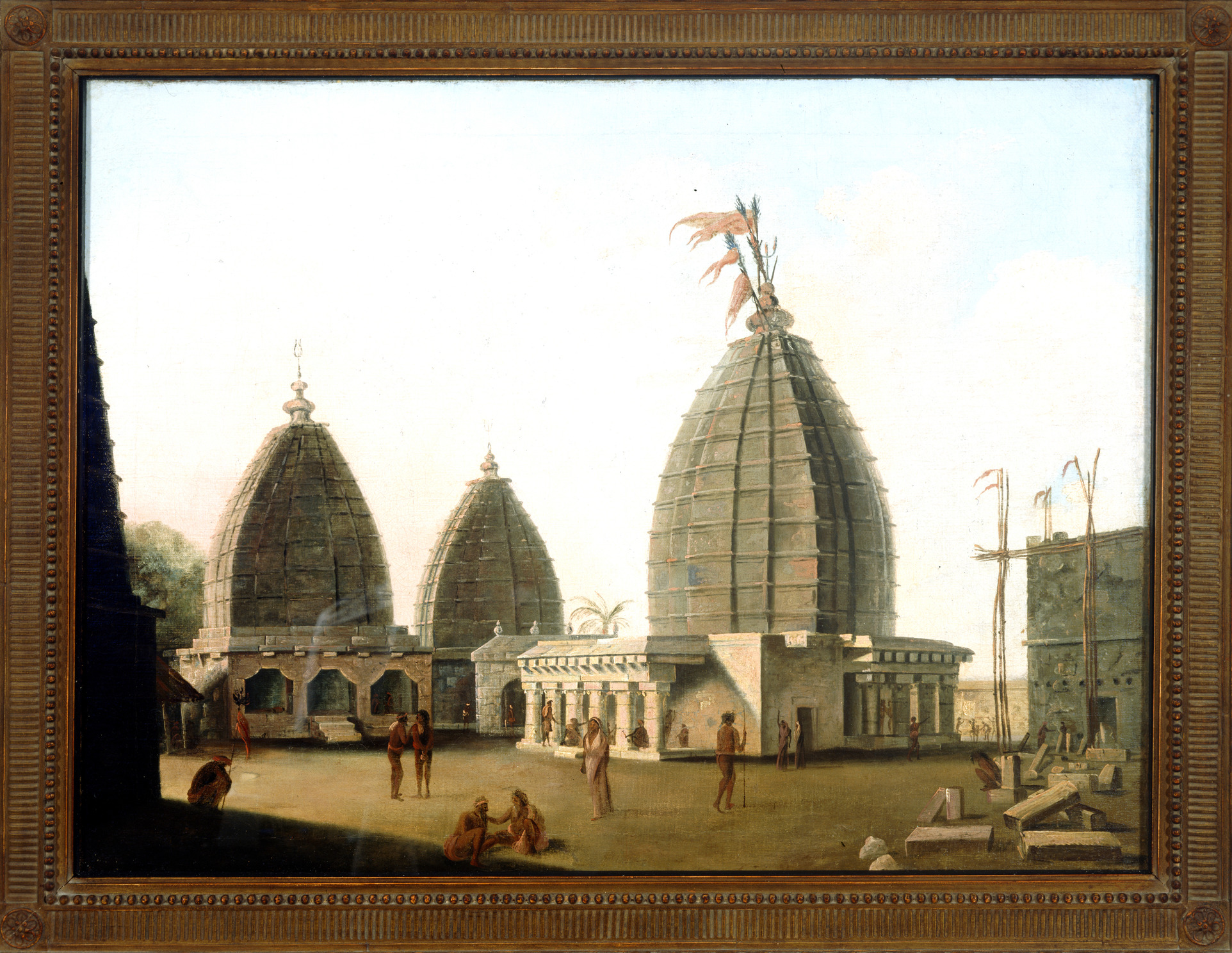
Vaidyanath Construction History: The Abode of the Divine Healer
The architectural structure of the Vaidyanath temple reflects its extreme antiquity and continuous patronage by devotees across the centuries.
1. Ancient Origins
The exact origin of the Vaidyanath temple is lost to antiquity, mentioned in numerous ancient Puranas. The main Jyotirlinga is considered to be Swayambhu (self-manifested) and has been worshipped on this very spot since prehistoric times. The name of the town, "Deoghar," literally translates to "Abode of the Gods."
2. The Main Tower (Shikhara)
The main temple is an imposing structure rising to a height of 72 feet. Its traditional Nagara style shikhara is adorned with gold and features three distinct ascending gold vessels (kalash) donated by the Maharaja of Gidhaur, Raja Puran Singh. Accompanying these are a Panchsula (five-pronged trident) and an eight-petaled lotus jewel (Chandrakanta Mani), which are considered exceedingly rare in Hindu temple architecture.
3. A Complex of 22 Temples
Unlike many other standalone Jyotirlingas, the Baidyanath parisar (courtyard) is a sprawling complex that houses 21 other smaller but significant temples alongside the main shrine. These temples are dedicated to various deities, including Maa Parvati, Lord Ganesha, Lord Brahma, and Surya (the Sun God).
4. The Grand Red Threads
A fascinating architectural tradition here involves stringing massive red sacred threads (called 'Gathbandhan') between the peak of the main Lord Shiva temple and the adjacent Maa Parvati temple. This unique ritual, performed by skilled climbers belonging to a specific local family, beautifully symbolizes the eternal marital bond between Shiva and Shakti.
Revealing the Mysteries
Discover the fascinating secrets and divine phenomena of this sacred temple
Jyotirlinga & Shakti Peetha: The Vaidyanath temple is an exceptionally rare site where a Jyotirlinga and a Maha Shakti Peetha (where Sati's heart fell) coexist in the exact same premises.
The Supreme Healer: The temple gets its name 'Vaidyanath' (Divine Doctor) because Shiva acted as a physician to reattach and heal Ravana's severed heads during his penance.
Ravana's Thumb Print: According to local belief, a slight depression on the top of the Jyotirlinga is the thumb impression left by Ravana when he furiously tried to uproot it.
The World's Longest Religious Walk: During the Shravan Mela, millions undertake the 'Kanwar Yatra'—walking 105 km barefoot from Sultanganj to Deoghar to pour holy Ganges water over the Lingam.
The 'No Touch' Rule: The Kanwariyas strictly follow a rule where, once they lift their water pots in Sultanganj, the pots must never touch the ground until the water is offered to Shiva.
Connected Temples: The main Shiva temple and the Maa Parvati temple are tied together with red sacred threads by devotees, symbolizing the eternal bond between Shiva and Shakti.
A Disputed Location: While Deoghar is the most widely accepted location, some scriptures place the Baidyanath Jyotirlinga in Parli (Maharashtra) or Baijnath (Himachal Pradesh).
✨ Each mystery reveals the divine presence within these sacred walls ✨
Explore All 12 Jyotirlingas
Twelve temples of divine light, spread across India — each a self-manifested Shiva Lingam.




← Swipe to see more →
Explore More Sacred Stories
Discover the legends and mysteries of India's ancient temples
View All Stories